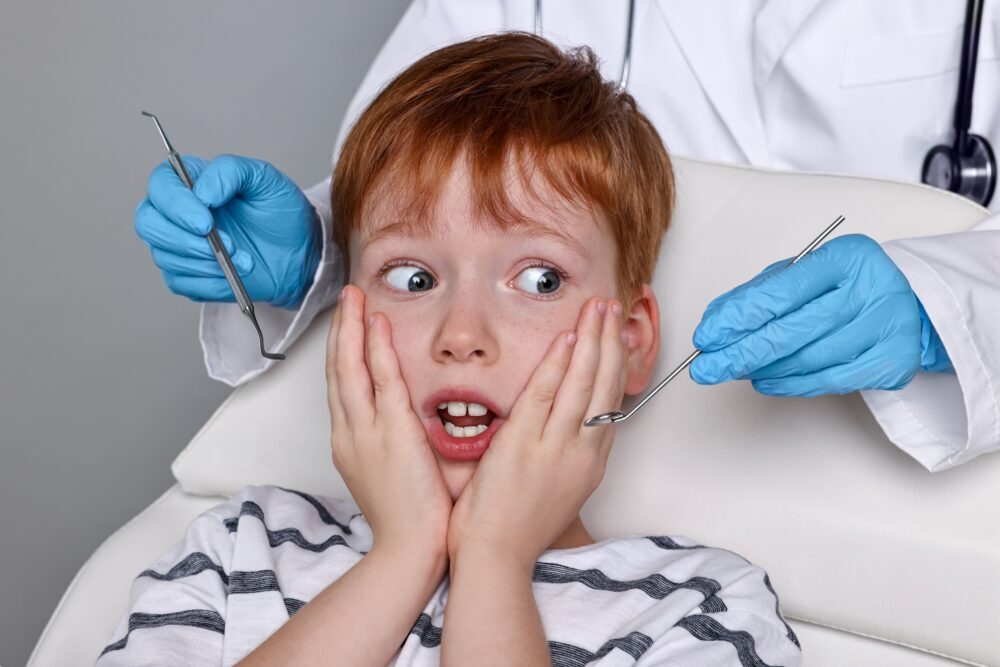
Your child took a tumble at the playground, bit down on something hard, or came home from soccer practice with a piece of tooth missing. Now you’re weighing whether this is a real emergency or something that can wait until morning. At Frisco Mini Molars, we hear this question from worried parents all the time. Here’s what you need to know when your child chips a tooth, so you can act with confidence.
What Counts as a Chipped Tooth in Children?
A chipped tooth is a small piece of enamel that has broken off, leaving the rest of the tooth intact. This differs from a cracked tooth, which has a fracture line running through it, or a knocked-out (avulsed) tooth, which has come completely out of the socket.
Chips can range from tiny enamel nicks you can barely see to deeper fractures that expose the inner pulp. Both baby teeth and permanent teeth can chip from falls, sports collisions, or biting into something hard like ice or hard candy. Some parents in Frisco assume a chipped baby tooth isn’t a big deal since it will fall out anyway. But baby teeth guide the permanent teeth into place, so any injury still matters for your child’s long-term smile.
What to Do Immediately When Your Child Chips a Tooth
The first few minutes after a chip can feel chaotic, but a calm, step-by-step response makes a real difference. Here’s what to do right away:
- Stay calm and reassure your child. Kids take cues from you, so a steady voice helps them relax.
- Rinse the mouth with warm water. This clears away debris and helps you see the injury clearly.
- Save any tooth fragments. Place broken pieces in a small container of milk or your child’s saliva, since Dr. Mitchell may be able to reattach the fragment in some cases, and keeping it moist protects that possibility.
- Apply a cold compress. Hold it against the cheek near the injury for 10 to 15 minutes at a time to reduce swelling and ease discomfort.
- Control bleeding with gauze. Fold a clean piece of gauze and apply gentle, steady pressure for about 10 minutes if the gum or lip is bleeding.
- Give age-appropriate pain relief. Children’s acetaminophen or ibuprofen can help, following the dosage on the label for your child’s weight and age.
- Call your pediatric dentist. Describe what happened and what you see. The team can help you decide whether to come in right away or book a next-day visit.
Why Treating a Chipped Tooth Matters
Even a small chip deserves attention. When enamel breaks, the inner layers of the tooth become more vulnerable to bacteria, which can lead to infection or a painful abscess if left untreated. Prompt care from a board-certified pediatric dentist like Dr. Laura Mitchell helps protect the tooth’s inner pulp and prevents bigger problems down the road.
For baby teeth, treatment matters because those little teeth hold space and guide permanent teeth into proper alignment. Losing a baby tooth too early from an untreated injury can lead to crowding or bite issues later. Repair also reduces pain, eases sensitivity to hot and cold foods, and restores your child’s smile so they feel confident when they laugh, talk, and eat.
Pro tip: Kids often hide dental discomfort. If your child suddenly avoids chewing on one side or turns down cold treats, take a closer look, even if the chip seemed minor at first.
Is Your Child’s Chipped Tooth Emergency: How to Tell the Difference
Not every chip requires a rush to the dentist, but some absolutely do. The simplest rule to remember: permanent teeth generally need faster attention than baby teeth. Use this quick reference to figure out how urgent your child’s situation really is:
| Situation | Emergency Level | What to Do |
|---|---|---|
| Small, painless chip with smooth edge | Non-emergency | Call within 1-2 days for a routine visit |
| Rough or jagged chip, mild sensitivity | Semi-urgent | Book a next-day visit |
| Large chip with visible pink or red center (exposed pulp) | Emergency | Call for same-day care |
| Severe pain, ongoing bleeding, or swelling | Emergency | Call immediately |
| Loose tooth after impact | Emergency | Call immediately |
| Chipped baby tooth, no pain or bleeding | Non-urgent | Book within a few days |
| Chipped permanent tooth, any severity | Semi-urgent to urgent | Call the same day for guidance |
Permanent teeth warrant faster attention than baby teeth because they need to last a lifetime. When in doubt, call. Our team would rather hear from you and confirm all is well than have you wait and worry.
What Affects the Cost of Repairing a Chipped Tooth
Repairing a chipped tooth can range from a small fee for simple smoothing to a higher cost for a crown or root canal, and every situation is a little different. Several factors influence the final price. The main variables include:
- Severity of the chip. A tiny enamel nick may only need smoothing, while a deeper fracture may require bonding, a white filling, or a crown.
- Treatment type. Simple polishing costs less than a full crown or root canal treatment.
- Diagnostic needs. Digital X-rays help Dr. Mitchell see below the surface and check for hidden damage to the root or nerve.
- Sedation. Some anxious kids or complex cases benefit from sedation, which affects the total cost.
- Insurance coverage. Many dental plans cover part of emergency care and restorative work for kids. Check with your provider about pediatric emergency benefits.
- Timing. True emergency visits outside of regular hours may cost more than a scheduled follow-up.
If cost is a concern, ask about our in-house Membership Plan, which helps families budget for both routine and unexpected dental care.
When Should Your Child See a Dentist?
Your child should see a dentist promptly if they have pain, ongoing bleeding, a visibly large chip, or any sign of a loose tooth. Same-day care is recommended when the inner tooth is exposed, the tooth has shifted, or bleeding won’t stop with gentle pressure. Minor, painless chips with smooth edges can usually wait for a next-day visit.
Keep an eye on your child for a few days after any dental injury, even a small one. Watch for these warning signs of infection or worsening damage:
- Increasing pain or throbbing
- Swelling of the gum, cheek, or face
- A pimple-like bump on the gum near the tooth
- Darkening or graying of the injured tooth
- Fever without another clear cause
Prevention goes a long way. Custom mouthguards from your pediatric dentist protect kids during sports, and simple childproofing (softer edges on furniture, non-slip bath mats, and supervised climbing) can help prevent many household injuries. Families across Frisco find that these small precautions save them a stressful trip later.
Trusted Emergency Care for Every Chip, Crack, and Bump
When your child has a dental injury, you want a team that responds with warmth, skill, and calm expertise. Dr. Laura Mitchell is a board-certified pediatric dentist who earned her DDS from Texas A&M University, Baylor College of Dentistry, and received the Richard C. Pugh Award for scoring in the top 3% nationally on the pediatric dental board exam. She’s a member of the American Academy of Pediatric Dentistry, the American Dental Association, and the Texas Dental Association, and her advanced training gives your child safe, effective care.
At Frisco Mini Molars, we’ve built a fun, energetic and kid-friendly atmosphere where every child, every visit, feels supported. Our pediatric office uses digital X-rays, an intraoral camera, and a CO2 laser to diagnose and treat dental injuries with precision and comfort. We welcome you to our mini molars family for dental care just for kids.
If your child has chipped a tooth or you’re worried about a dental injury, book a visit with Frisco Mini Molars today and let us help put your family at ease.
Frequently Asked Questions About Chipped Teeth in Kids
Is a chipped baby tooth a dental emergency?
A chipped baby tooth isn’t always an emergency, but it should still be evaluated. If your child has pain, bleeding, or a loose tooth, call your pediatric dentist right away. Small, painless chips can wait a day or two, but a professional exam ensures no hidden damage to the root or the developing permanent tooth underneath.
Will a chipped tooth heal on its own?
Teeth cannot regrow enamel or heal chips the way skin heals a cut. Even minor chips leave the tooth more vulnerable to decay and sensitivity. Dr. Laura Mitchell can smooth rough edges, apply bonding, or place a white filling to restore the tooth’s shape and protect it from further damage.
How long can I wait to see a dentist?
For severe pain, exposed pulp, or a loose tooth, seek care the same day. When you’re dealing with a small, painless chip, booking a visit within one to three days is fine. Call our pediatric office, describe what you see and how your child feels, and our team will help you decide the right timing.
Does a chipped tooth need to be pulled?
Most chipped teeth don’t need to be pulled. Treatment involves smoothing the edge, bonding, a filling, or a crown depending on how much tooth is missing. Extraction is only considered in severe cases where the tooth cannot be saved. Dr. Mitchell always prioritizes preserving your child’s natural teeth whenever possible.
How can I prevent my child from chipping teeth again?
A custom-fitted mouthguard is one of the best defenses for active kids in sports. Avoid letting your child chew ice, hard candy, or pen caps, as these are common culprits. Regular dental visits also catch weak spots early. And childproofing at home (safety gates, soft edges, and supervised play) helps prevent falls that lead to dental injuries.
Not sure whether to wait until morning? Here is how our emergency dentistry for kids in Frisco works, including same-day repair of a fractured or chipped tooth.
If the chip goes deeper than enamel, our page on dental crowns for kids in Frisco explains how we rebuild a badly damaged tooth, and our pediatric dentistry services cover the follow-up care that comes after a repair.