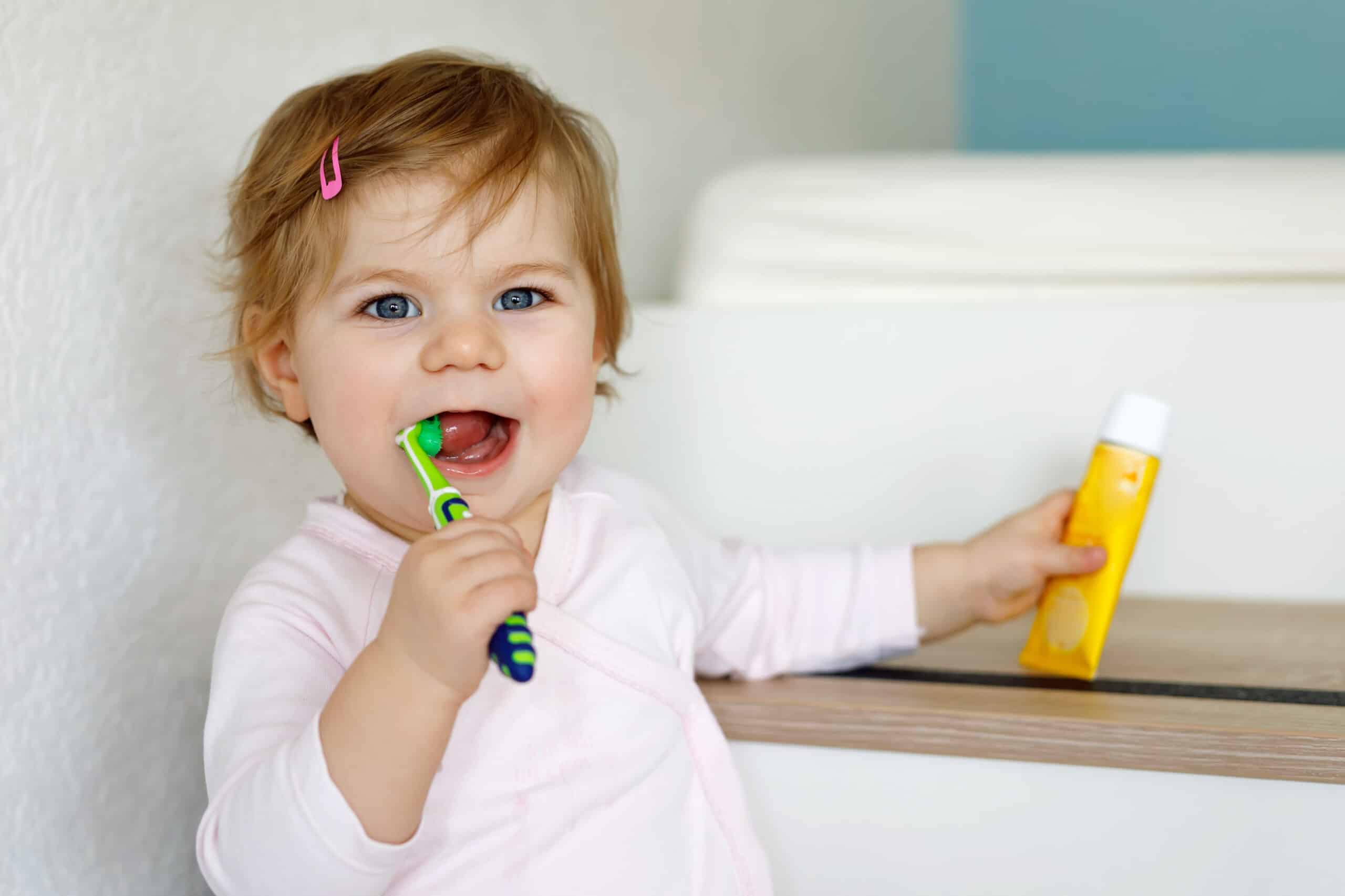
Welcoming a new baby into your family brings so many “firsts” to plan for, and your baby’s first dental visit is one of the most important ones. If you’re a parent wondering when your baby should first see a dentist, the short answer is by their first birthday, or within six months of that first little tooth poking through. At Frisco Mini Molars, Dr. Laura Mitchell loves meeting our youngest mini molars family members and giving parents the guidance they need to start strong.
What Is a Baby’s First Dental Visit?
A baby’s first dental visit is a short, gentle checkup designed to assess your child’s early oral development and introduce your family to a pediatric dentistry practice. The American Academy of Pediatric Dentistry recommends this visit happen by age 1, or within six months after the first tooth appears. It’s about prevention and education, not invasive treatment.
This first baby visit focuses on a few key things:
- Gentle assessment of erupting teeth, gums, and oral tissues
- Parent education on brushing, feeding, and teething comfort
- Establishing a dental home, a trusted pediatric office your child can grow up with
- Spotting concerns early, like signs of decay or unusual tooth eruption
Dr. Mitchell uses this time to help parents feel confident about daily oral care at home. Starting this early builds the foundation for healthy smiles that last well into adulthood. It also gives your child the chance to grow comfortable with the sights, sounds, and routine of the dentist, well before any “real” treatment is ever needed.
What to Expect During Your Baby’s First Dental Visit
Your baby’s first visit at Frisco Mini Molars typically lasts 15 to 30 minutes. Dr. Mitchell keeps the appointment short, friendly, and full of gentle reassurance. Most of the visit involves a careful look in your baby’s mouth, a few questions about feeding and habits, and plenty of time for you to ask anything on your mind.
We often use a knee-to-knee exam for infants. Here’s how it works:
- You and Dr. Mitchell sit facing each other with your knees touching.
- Your baby lies back so their head rests in Dr. Mitchell’s lap while their legs stay on yours.
- You hold their hands, so they feel safe and connected to you the whole time.
- The teeth, gums, tongue, jaw, bite, and oral tissues all get a gentle check.
After the exam, our team will demonstrate proper brushing techniques for tiny teeth and talk through everyday topics like:
- Bottle and breastfeeding habits
- Teething comfort and pacifier use
- Fluoride needs and your local water source
- Healthy snacks for new eaters
If your baby has enough teeth, we’ll do a soft cleaning too. Many babies giggle, some squirm, and a few cry. That’s all completely normal, and we’re ready for every reaction.
Why Are Early Dentist Visits Important?
Early dental visits do far more than count teeth. They protect your baby’s long-term health and set the tone for how they feel about dental care for years to come.
Here’s why an early start matters:
- Catches problems early. Dr. Mitchell can spot signs of decay, enamel weakness, or developmental concerns long before they become painful or costly.
- Prevents early childhood caries. Tooth decay is one of the most common chronic diseases of childhood, according to the American Academy of Pediatric Dentistry, and it’s largely preventable with early care.
- Babies who see a pediatric dentist early grow up viewing the pediatric office as a friendly place, not a scary one. Familiar faces, sounds, and routines make every visit easier, which keeps dental anxiety low.
- Gives parents real answers. You’ll get personalized guidance on cavity prevention, weaning from bottles, pacifier use, and nutrition. No more guessing from internet searches.
- Watching how teeth come in and how the jaw develops means any concerns about spacing or bite can be addressed at the right time.
Pro tip: Try lifting your baby’s lip once a week at home to check for any white or brown spots on the front teeth. Catching changes early helps Dr. Mitchell step in before small concerns grow.
Is Age 1 Really Better Than Waiting Until Preschool?
Visiting by age 1 gives your dentist the best chance to catch decay while it’s still reversible, keep treatment to a minimum, and help your child feel at home in the pediatric office before any worries set in. Waiting until age 2 or 3 often means missing that easy prevention window. Some parents assume the dentist can wait until preschool, but delaying that first baby visit usually means more cavities, more treatment, and more stress for everyone involved.
Going by age 1 aligns with guidance from both the American Academy of Pediatric Dentistry and the American Dental Association.
Here’s a quick comparison:
| Factor | First Visit by Age 1 | Waiting Until Age 2-3 |
|---|---|---|
| Detection of early decay | High, caught when reversible | Often discovered after damage is done |
| Treatment needed | Usually none, focus on prevention | Fillings or crowns may be required |
| Cost | Lower, preventive care only | Higher, restorative treatment adds up |
| Child’s comfort level | Familiar with the pediatric office | New environment can feel overwhelming |
| Parent education | Starts before habits form | Habits already established, harder to change |
| Risk of dental anxiety | Low | Higher |
Starting on time gives your child the gentlest possible start. It’s one of the easiest gifts you can give their future smile.
What Affects the Cost of a Baby’s First Dental Visit?
The cost of a baby’s first dental visit depends on a few things, like the type of exam, whether a cleaning or fluoride treatment is performed, and if any X-rays are needed. Most preventive infant visits are covered by dental insurance plans, and many families pay little to nothing out of pocket for this checkup at Frisco Mini Molars.
A few things that may affect cost:
- Exam type: Most first visits are limited oral evaluations, which are typically affordable
- Cleaning: Depends on how many teeth have erupted
- Fluoride application: Recommended based on cavity risk
- X-rays: Rarely needed for infants, only used when clinically indicated
Establishing a dental home early saves money long term, because preventive care costs far less than restorative work down the road. Our team is happy to help you verify your benefits before your visit, and we also offer an in-house membership plan for families without dental insurance.
Is Your Baby Ready for Their First Dental Visit?
At Frisco Mini Molars, every baby is ready to see a dentist by age 1, even if only one little tooth has come in. If you’re wondering when your baby should see a dentist and you’re seeing that first tooth or your baby’s first birthday is on the calendar, it’s time to book a visit.
Signs your baby is ready:
- First tooth has erupted (usually between 6-12 months)
- Approaching their first birthday
- Showing interest in solid foods
- You have questions about teething, thumb-sucking, or pacifier use
Tips to prepare for a smoother visit:
- Schedule after a nap and a feeding, when your baby is calm and content.
- Practice gentle mouth checks at home by lifting the lip and looking at the gums.
- Bring a favorite blanket, pacifier, or comfort toy.
- Stay calm and upbeat, your baby picks up on your energy.
- Skip phrases like “don’t be scared” so the visit feels like any other fun outing.
It’s completely normal for babies to fuss, squirm, or cry. Our pediatric office is built for these moments, with a fun, energetic and kid-friendly atmosphere that helps both babies and parents relax. Dr. Mitchell and our team welcome every wiggle and tear with patience and warmth. Families from across the area, including nearby Plano, trust us to give their little ones a gentle start with dental care just for kids and the kind of world-class dental care that keeps them coming back.
Frequently Asked Questions
When should my baby first see a dentist?
Your baby should first see a dentist by their first birthday, or within six months of their first tooth erupting, whichever comes first. This recommendation comes from the American Academy of Pediatric Dentistry and the American Dental Association. Early visits help prevent decay and build positive associations with dental care.
How often should my baby visit the dentist after the first visit?
Most babies and toddlers benefit from a checkup every six months. Dr. Mitchell may recommend a different schedule based on your child’s cavity risk, oral development, and home care routine. Consistent visits help us catch small concerns before they grow.
Does my baby need X-rays at the first visit?
X-rays are rarely needed at a baby’s first dental visit. Imaging is only recommended when there’s a specific clinical reason, such as suspected decay between teeth or concerns about tooth development. We always use the lowest reasonable exposure and protective shielding.
What if my baby cries during the appointment?
Crying is completely normal and expected at this age, and it doesn’t mean anything is wrong. In fact, a few tears actually make it easier for Dr. Mitchell to see inside your baby’s mouth. Our team is trained to keep the visit short, gentle, and reassuring, no matter how your little one reacts.
How do I prepare my baby for their first dental visit?
Pick a time of day when your baby is well-rested and recently fed. Practice lifting the lip at home so mouth checks feel familiar, and bring along a favorite comfort item. Most importantly, stay positive and relaxed yourself, because your calm energy helps your baby feel safe.
Who will care for my baby at their first visit?
Dr. Laura Mitchell is a board-certified pediatric dentist who earned her DDS from Texas A&M University, Baylor College of Dentistry. She is an active member of the American Academy of Pediatric Dentistry, the American Dental Association, the Texas Dental Association, the North Texas Dental Association, the Texas Association of Pediatric Dentists, and the Greater Dallas Pediatric Dental Society. Her training and ongoing involvement in pediatric dentistry mean your baby is in expert hands from their very first visit. Your baby’s first smile is a big deal, and we’d be honored to help you protect it. Book a visit with Dr. Laura Mitchell today, and let’s give your little one a gentle, joyful start to a lifetime of healthy smiles, every child, every visit.
Want to read ahead? Our guide to first baby visits explains how we structure that very first appointment, pediatric dentistry in Frisco covers the care that follows it, and our notes on preventing cavities in young children cover the home routine that keeps those new teeth healthy.